
Lighting Upgrades
On some yachts, like ours, the manufacturer put in large windows for plenty of sunlight but low to no sunlight conditions and cabinets leave a lot of dark spaces. So after scratching our heads for a few days on the problem, we came up with a solution that would work for us.
 First we decided where additional lighting was needed, which was most of the cabinets, heads and galley. We then determined where the power was going to come from. We checked the breaker size on those lines and made sure that they could handle any additional loads or if we would have to install additional breakers to power the lights. Using LED light strips was most efficient as they provide bright light with low amp draw. We could replace older lights in closets with newer LED, drop the amperage on the breaker and add additional LED's powered to that breaker. To figure out how much lighting we could install, we opened the DC panel and looked at the breakers. Boats tend to have breakers that are varying in amp load on the 12v side with some being very low amp. With the lower amp breakers, installing 8 amps of draw will continually trip the breaker. In instances where we removed older lighting, like the engine compartment, that had a 15 amp breaker at the panel, we could go from 3 lights drawing 4 amps each up to 10 LED light strips drawing 1.5 amps each. This would provide more than ample lighting throughout the entire engine compartment.
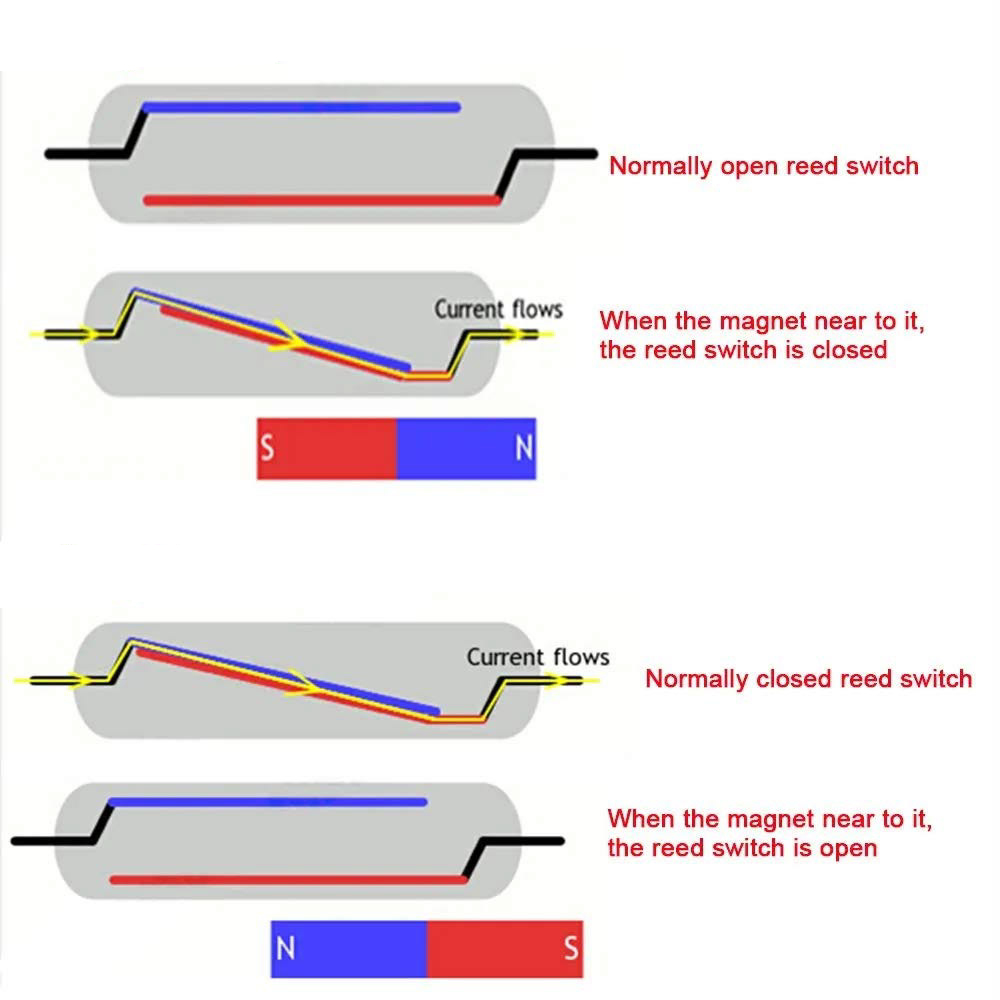
In the areas that already had a switch to power lights on an off it was easier to convert to LED strips. In cabinets that never had lighting it was little more tricky. We decided to use small magnetic reed switches that could be set up as Normally Open (NO) or Normally Closed (NC). After running 12v power, we installed the switch to the ground in the NC position which means that when the magnet is moved away from the switch, it closes and the lights come on. When the door closes, the magnet opens the contacts and the lights go out. These are cheap, easy to install and replace if the switch fails. The easy part of installation is that the magnet trigger does not have to be exactly on the reed switch, which allows for installation in odd places, like Tambor Doors or panels that need to be lifted.
In the areas that already had a switch to power lights on an off it was easier to convert to LED strips. In cabinets that never had lighting it was little more tricky. We decided to use small magnetic reed switches that could be set up as Normally Open (NO) or Normally Closed (NC). After running 12v power, we installed the switch to the ground in the NC position which means that when the magnet is moved away from the switch, it closes and the lights come on. When the door closes, the magnet opens the contacts and the lights go out. These are cheap, easy to install and replace if the switch fails. The easy part of installation is that the magnet trigger does not have to be exactly on the reed switch, which allows for installation in odd places, like Tambor Doors or panels that need to be lifted.
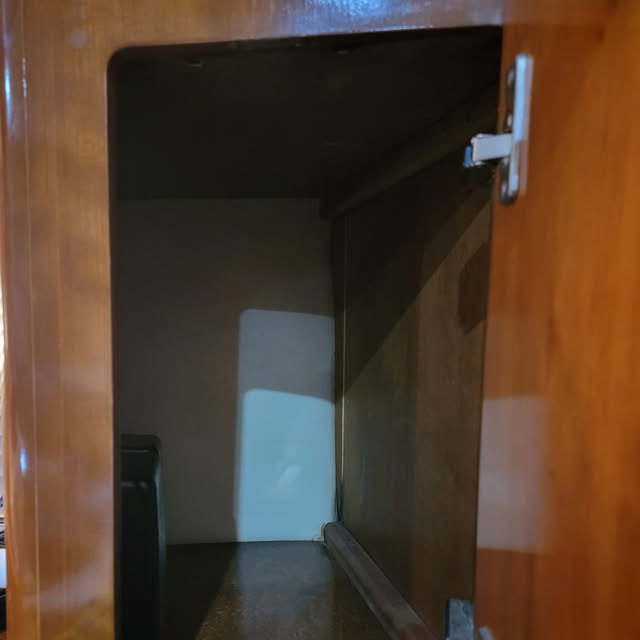
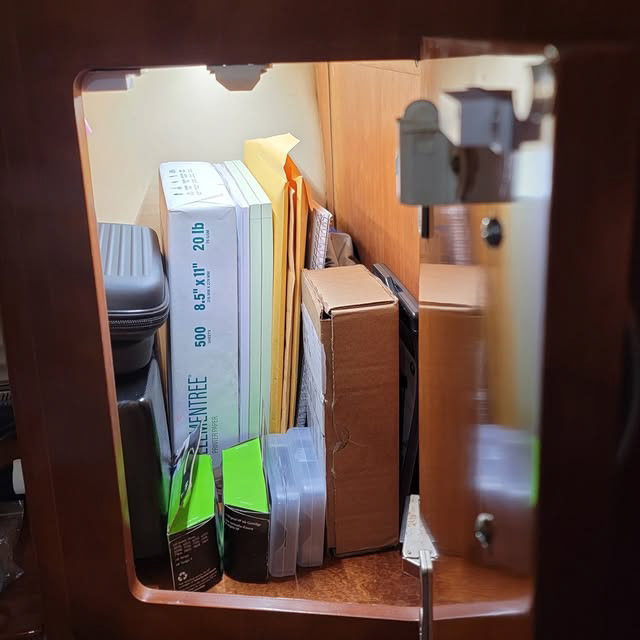
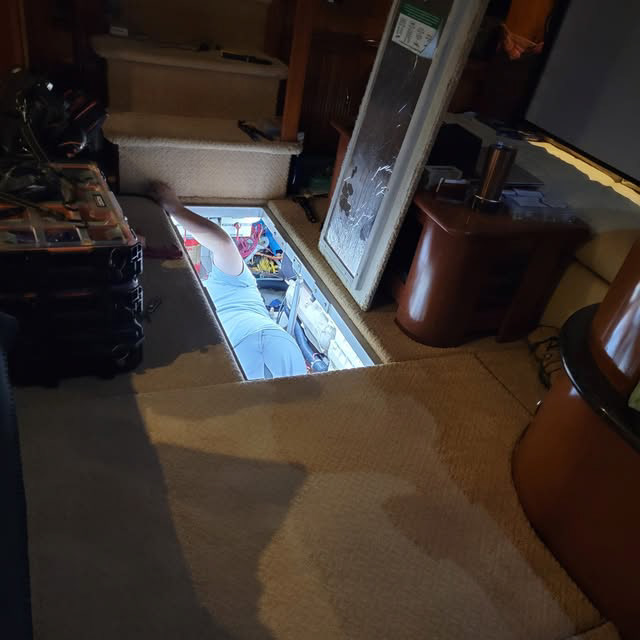
The addition of the extra lighting has made the vessel easier to navigate when bright sunlight is not always available.